Spartan Guards · San Francisco Bay Area
Parking Lot Security Guard & Patrol Services
Parking-area visibility, patrol planning and incident documentation
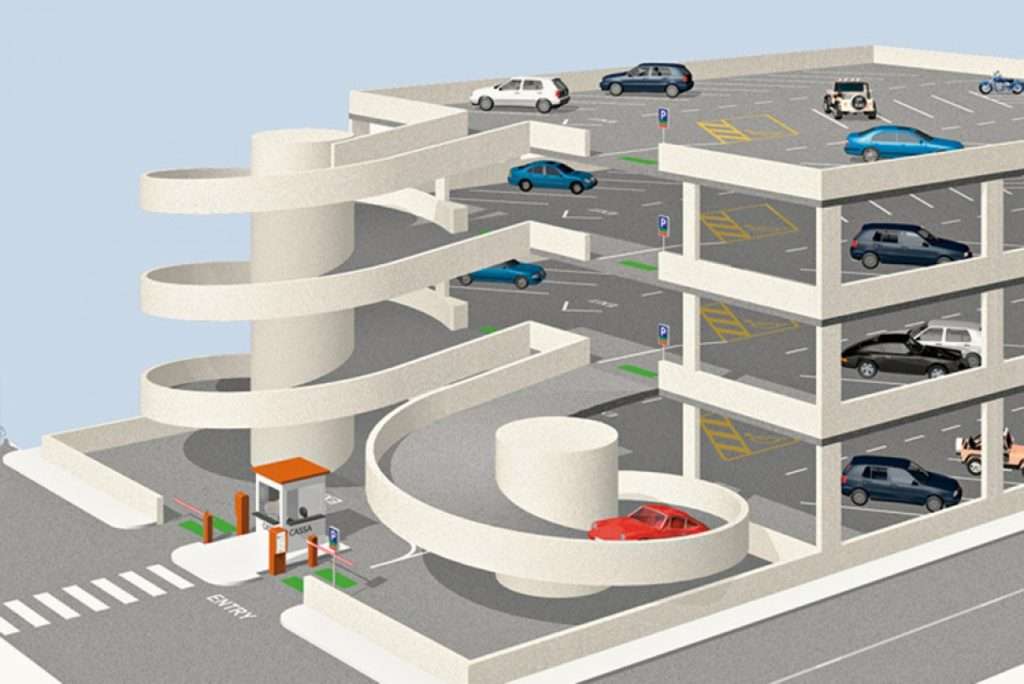
Parking facilities have distinct risk patterns: vehicle break-ins, pedestrian safety concerns, unauthorized parking, isolated stairwells and late-night traffic. Effective coverage starts with a map of entrances, sight lines, lighting and known incident locations.
Buyer fit
Who this service is for
Retail center managers, property owners, parking operators and facility teams. Before selecting coverage, consider your operating hours, daily traffic, access rules, existing systems and incident history.
Risks and priorities
Security challenges to plan for
Vehicle-related incidents
Vulnerable areas include poorly observed rows, garages, ramps and loading areas.
After-hours activity
Closing and overnight hours may need different patrol patterns and escalation procedures.
Confusing enforcement
Parking rules, towing authorization and interactions with visitors must be documented in advance.
Facility checklist
Parking lot patrol checklist
- Review lighting, sight lines, stairwells, elevators, ramps and payment stations.
- Document patrol frequency and how missed rounds are handled.
- Identify authorized parking, restricted areas and after-hours access.
- Define response to collisions, suspicious behavior, property damage and medical incidents.
- Clarify towing decisions, camera access and management notification.
Share the location, schedule, access needs and preferred start date. A proposal should confirm scope and availability.
Operational scope
What a useful security plan should cover
Patrol zones
Identify garages, stairwells, payment areas, pedestrian paths and perimeter access.
Observation and reporting
Set expectations for suspicious activity logs, safety hazards and incident escalation.
Coordination
Define who manages towing, repairs, police contact and tenant notifications.
Engagement process
From first conversation to documented coverage
Share your requirements
Provide the site address, coverage schedule, entry points, incident concerns and start date.
Review a proposed scope
Confirm posts, duties, communication, supervision, training requirements and incident escalation.
Agree on review points
Set expectations for daily reports, urgent notifications, schedule changes and service review.
Trust and procurement
Questions to ask before hiring a security company
Request documentation of the company’s current California private patrol operator license where applicable, insurance, guard qualifications, supervision approach and site-specific post orders. Clarify the difference between guard observation, access management, emergency notification and law-enforcement duties.
Ask how shift handoffs work, who receives incident reports, what happens if a guard cannot attend a shift, and how the provider handles changes in coverage. These details are more useful than unverified claims that any security service can eliminate incidents.
For licensing information, consult the California BSIS license verification resource.
Service area
San Francisco Bay Area coverage
The original website describes service in the San Francisco Bay Area. Requests may involve San Francisco, San Jose, Oakland and nearby communities; confirm the specific site address and available staffing rather than assuming every city or shift is covered.
Location relevance should come from actual customer needs, site conditions and documented service coverage—not repeated city names or fictional offices.
Buyer answers
Frequently asked questions
What is parking lot security patrol?
It is a defined set of observation and reporting duties across parking areas, entrances and related pedestrian routes.
Can guards issue parking tickets or tow vehicles?
Authority depends on property policies and applicable law. Towing and citation procedures must be separately confirmed.
Are mobile patrols suitable for parking areas?
Vehicle patrols may complement foot coverage, depending on site size, visibility and risk.
Can security prevent all vehicle break-ins?
No security program can guarantee prevention. The objective is to improve visibility, reporting and response coordination.
What details are needed for a quote?
Share the number of lots or garage levels, operating hours, known concerns and desired coverage schedule.
Next steps
Related security resources
Share the location, schedule, access needs and preferred start date. A proposal should confirm scope and availability.
Editorial buying guide
Parking lot patrol scope and operating boundaries
Vehicle and pedestrian routes
Identify garages, stairwells, elevator lobbies, payment equipment, remote corners, loading zones, and pedestrian crossings.
Parking rules and enforcement
Agree in writing who may issue warnings, authorize towing, contact property management, or call law enforcement. Security guards do not automatically have police powers.
Incident evidence and privacy
Define how guards record observations, preserve available camera references, and escalate suspicious activity without making unsupported claims of surveillance.
After-hours risk
Consider lighting failures, access-gate malfunctions, isolated employee departures, and the handoff to overnight maintenance or management.
A quote should identify the number of facilities, hours, patrol checkpoints, reporting frequency, and whether vehicle patrol is required.